

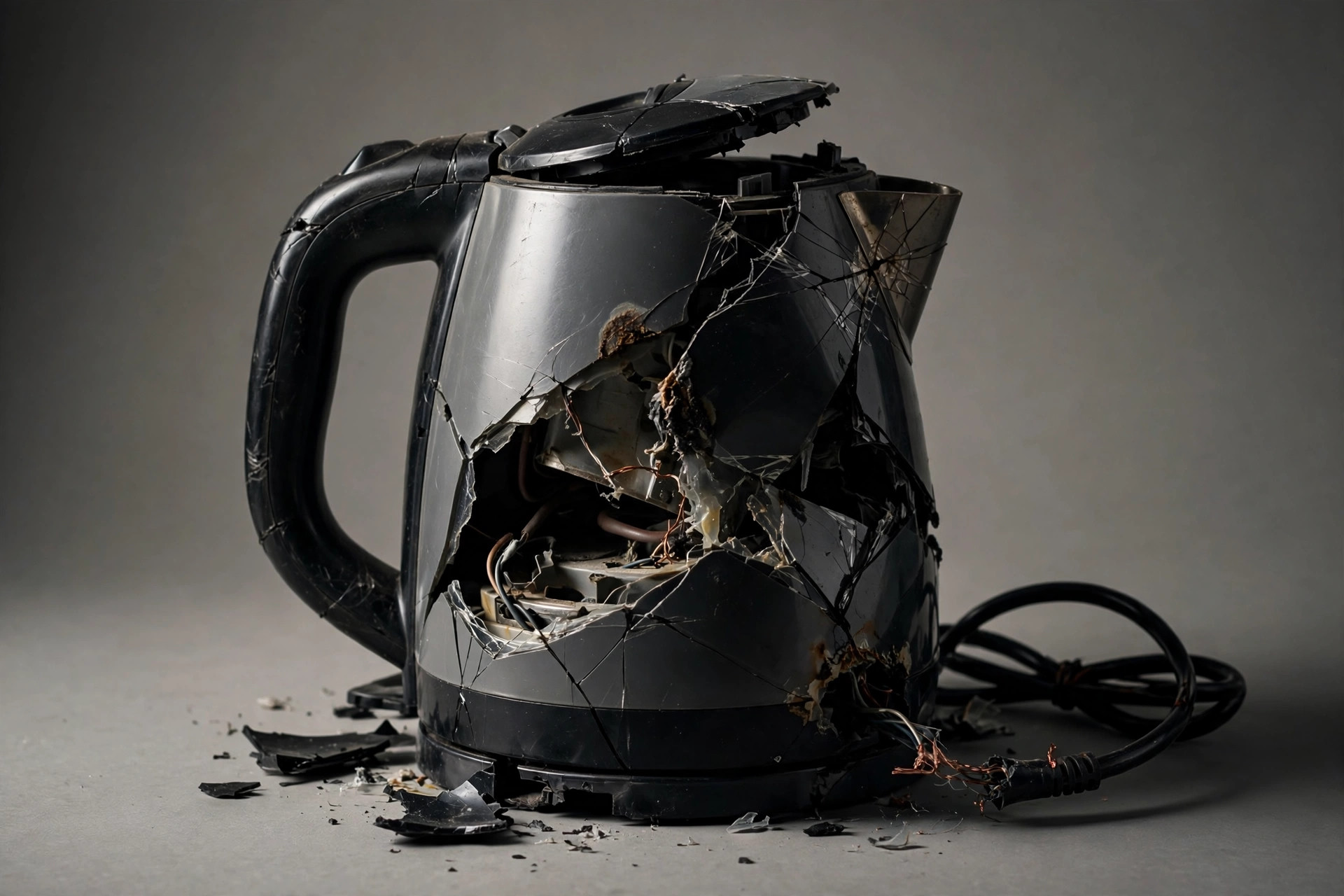
Defective Product Lawyer in Miami
When a product you trusted — a car part, a household appliance, a child’s toy — fails and causes injury, the manufacturer should answer for it. Florida law holds companies strictly accountable for putting unreasonably dangerous products into consumers’ hands.
At Tacher Law, Mario Tacher has spent over 40 years fighting for injured Floridians. If a defective product hurt you or a family member, call +1 (305) 644-2211 for a free consultation.
Three Types of Product Defects
Florida recognizes design defects (the product was dangerously designed from the start, like a vehicle prone to rollover), manufacturing defects (a flaw introduced during production, like a contaminated batch or a cracked component), and marketing defects (inadequate warnings or instructions, such as failing to warn about a known risk).
Strict Liability: You Don’t Have to Prove Carelessness
In many Florida product cases, you do not need to prove the manufacturer was negligent — only that the product was unreasonably dangerous when it left the manufacturer’s control and that the defect caused your injury. This strict liability standard exists precisely because consumers cannot inspect every product they buy.
Who Can Be Held Responsible
Potentially liable parties include the product manufacturer, the manufacturer of a defective component part, the distributor or wholesaler, and the retailer who sold it. Our investigation identifies every company in the chain of distribution, because each may share responsibility — and each carries insurance.
Protect Your Claim: Preserve the Product
Do not throw the product away, attempt repairs, or let anyone else alter it. The defective item itself is the single most important piece of evidence. Store it safely, keep your receipt and packaging, photograph the defect and your injuries, and save all medical records. Then call a lawyer before speaking with the manufacturer’s representatives.
Deadlines Under Florida Law
Product liability lawsuits in Florida are generally subject to a two-year statute of limitations for personal injury, plus a statute of repose that can bar claims for older products. Because evidence degrades and companies restructure, early action matters.
Tacher Law — 16445 Collins Avenue, Suite 1625, Sunny Isles Beach, FL 33160. Call +1 (305) 644-2211 or contact us online for a free consultation. No fees or costs unless we win.
Frequently Asked Questions
What makes a product legally “defective” in Florida?
Florida recognizes three types of defects: a design defect (the product was dangerous even when made exactly as intended), a manufacturing defect (this particular unit departed from its intended design), and a failure to warn (the product lacked adequate instructions or warnings about foreseeable risks). A product can be defective under one theory even if it passes the others.
Who can I sue for a defective product injury?
Generally anyone in the chain of distribution — the manufacturer, the distributor or wholesaler, and the retailer that sold it. Florida applies strict liability to sellers of defective products, which means each party in the chain can be held responsible regardless of which one actually created the defect. This matters because it gives injured consumers more than one potential source of recovery.
Do I have to prove the manufacturer was negligent?
No. Under Florida’s strict products liability law, you do not need to show the manufacturer was careless — only that the product was defective, that you were using it in a foreseeable way, and that the defect caused your injury. Negligence and breach-of-warranty theories may also be available and are often pleaded alongside strict liability.
What if I wasn’t using the product exactly as the instructions said?
It depends. Florida law protects foreseeable uses and even foreseeable misuses of a product — a manufacturer must anticipate how real consumers actually behave. If your use was truly unforeseeable or you substantially altered the product, that can be a defense. And under Florida’s modified comparative negligence rule, your own carelessness reduces your recovery by your percentage of fault — and eliminates it entirely if you are found more than 50% at fault.
How long do I have to file a defective product lawsuit in Florida?
The standard two-year statute of limitations for injury cases applies. Florida also has a 12-year statute of repose for products liability claims, meaning suits generally cannot be filed more than 12 years after the product was first delivered to its original purchaser — with exceptions for certain products and for fraud or concealment. Because defective-product cases require expert analysis of the product itself, preserve the item and call Tacher Law at (305) 644-2211 promptly for a free consultation.
